
From Laguna Beach to the African Bush: How Richelle Lavin Designs Unforgettable Safaris Through Soul of Africa Travel
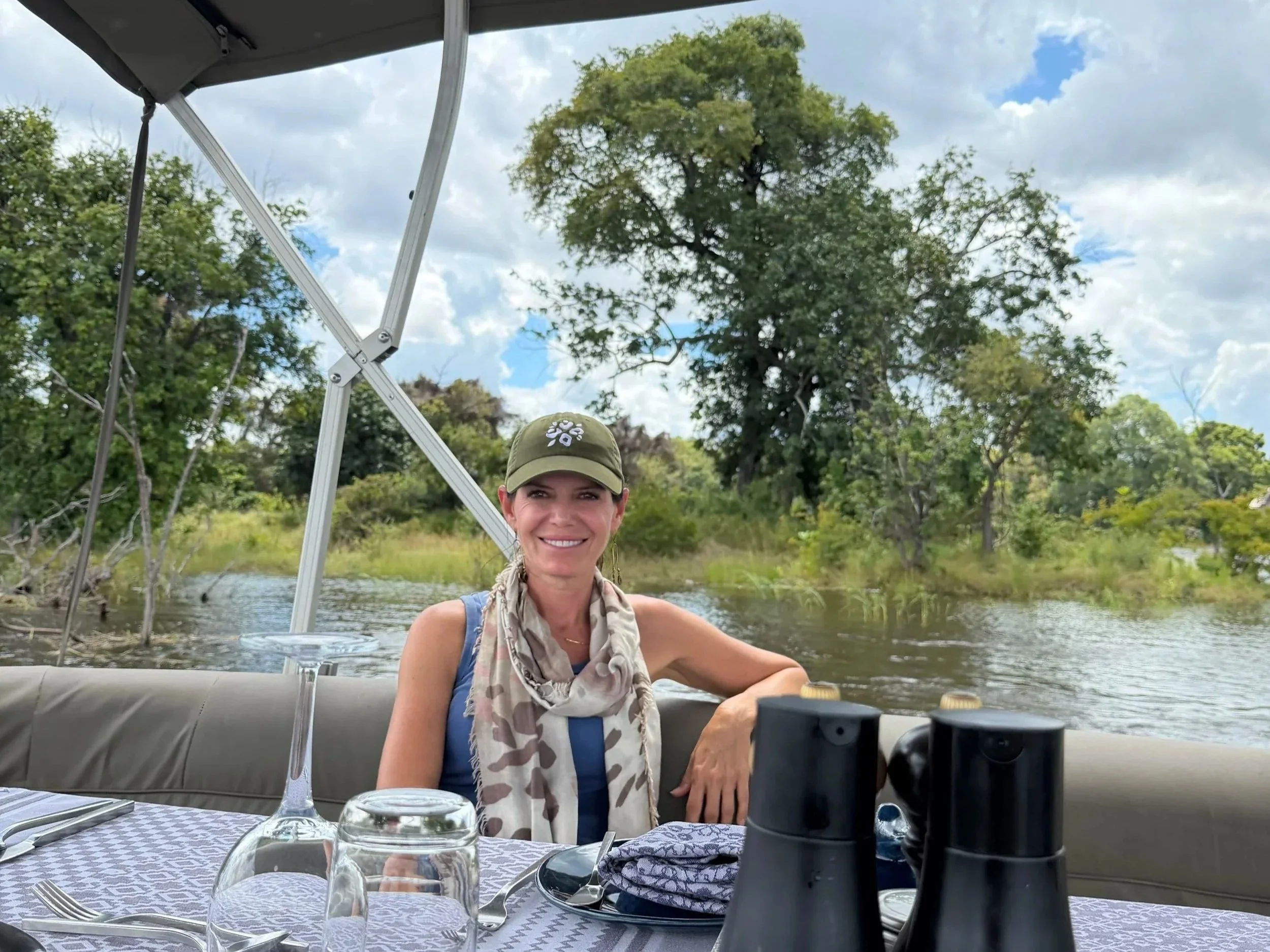
One evening deep in the African bush, Richelle Lavin sat around a campfire with her children, sharing stories from the day. They were on a three-week overlanding journey from South Africa to Botswana with family, camping beneath a marula tree.
Then something emerged from the darkness.
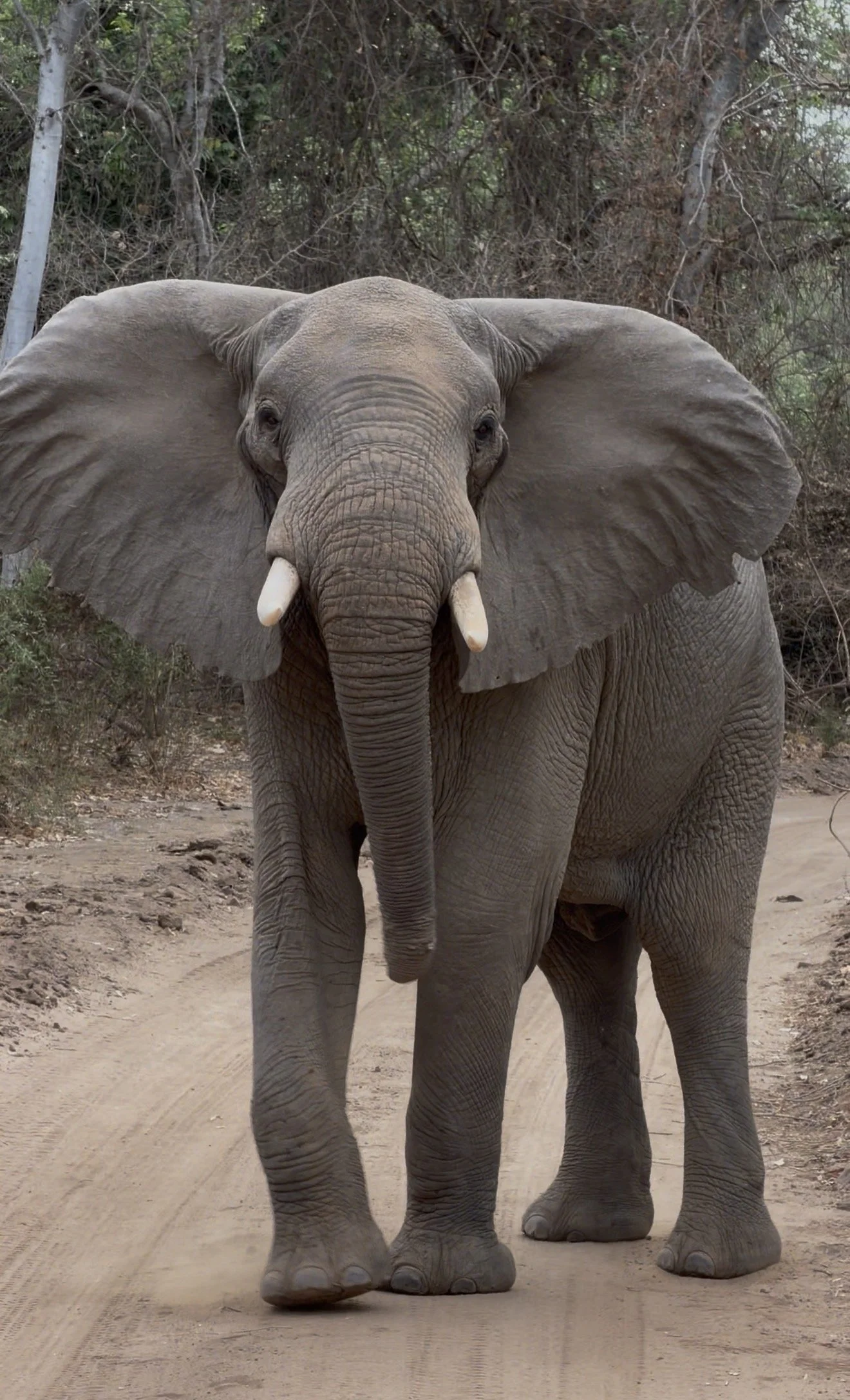
A massive bull elephant walked directly into their campsite.
At first, it was difficult to make out his full shape. Then he came closer, towering and completely unbothered by their presence. It didn’t take long to realize they had pitched their tents beneath one of his favorite food sources.
“We retreated into our tents as he stopped right beside us and shook the tree with astonishing force,” Richelle recalls. “Our hearts were pounding. He was enormous, breathtakingly close, and absolutely magnificent.”
The elephant fed on the fallen fruit before eventually disappearing back into the night.
When it was quiet again, Richelle and her children stepped outside, laughing.
“I can’t remember who had the bigger smiles, me or my kids,” she says.
That trip stayed with her. Not just because of how close they were to wildlife, but because of what she saw in her children experiencing it for the first time. It clarified something she had already been feeling… she was meant to incorporate Africa into her life longterm.
Today, Richelle is a Laguna Beach–based luxury travel advisor and the founder of Soul of Africa Travel, where she designs custom African safari itineraries built around how people actually want to experience the continent.
Growing Up Between South Africa and Southern California
Richelle grew up in a small beach town in Durban, South Africa, surrounded by a close-knit community and generations of family friends.
“There was a deep sense of belonging,” she says. “I knew Africa, and it knew me.”
At 15, she moved to California. The shift was immediate and, at times, disorienting.
She had been attending a traditional all-girls school with uniforms, daily assemblies, and structure. Dana Hills High School felt like the opposite. For a while, she struggled to find her footing and felt like she stood out.
Over time, that dual perspective became something she values.
“Africa will always be my roots, my foundation and grounding,” she says. “The United States became my trunk and branches, the place where I grew and evolved.”
That layered identity now shapes how she approaches travel and how she connects her clients to Africa.
From Corporate Career to Luxury African Safari Travel Advisor
Before launching Soul of Africa Travel, Richelle worked in finance and medical technology. The shift into travel didn’t happen overnight.
After the birth of her second child, she took a sabbatical to spend more time with her family. During that time, she returned to Africa and experienced it again in a different way.
“I fell completely in love again with the raw, organic magic of the continent,” she says. “I realized I didn’t want to simply return to what was comfortable; I wanted to build something meaningful.”
Drawing on her background in strategy, operations, and relationship building, she launched Soul of Africa Travel in 2013.
The goal was not just to plan trips, but to create experiences that felt personal, considered, and grounded in real knowledge of the places she was recommending.
How Soul of Africa Travel Designs Custom African Safaris
Every itinerary begins with a discovery call.
Richelle asks about travel style, past trips, interests, timing, and budget. More importantly, she listens for the details that don’t always come through on a standard intake form.
“Often it’s a small, offhand comment that reveals something meaningful,” she says. “That can shape the entire journey.”
From there, she builds a fully customized itinerary, coordinating accommodations, regional flights, transfers, and experiences that align with each client.
Travelers receive a detailed proposal with pricing, and nothing is finalized until it feels right. The itinerary is refined until every piece fits together.
Once booked, clients receive a Safari Preparation Package to help them get ready for the trip, followed by final travel documents about four weeks before departure.
While they’re traveling, Richelle remains connected with her teams on the ground across Africa to ensure everything runs smoothly.
Why Personalized Safari Planning Makes All the Difference
Richelle operates as an independent advisor, which means she doesn’t own or represent specific safari camps.
That independence allows her to focus entirely on what works best for each client.
“Selecting the right lodge is one of the most meaningful decisions,” she says. “Every recommendation comes from firsthand experience and a deep understanding of what will resonate with that specific guest.”
She travels to Africa multiple times each year, visiting properties, exploring new regions, and revisiting trusted partners. That ongoing research allows her to match travelers with places that feel aligned rather than generic.
Exploring Botswana, South Africa, Zambia and Zimbabwe
While Soul of Africa Travel plans journeys across the continent, Richelle is especially drawn to Southern Africa, including Botswana, South Africa, Zimbabwe, and Zambia.
Botswana, in particular, stands out for how carefully tourism is managed. Many safari areas operate in partnership with local communities and prioritize low-density camps and conservation.
That approach creates a more private experience for travelers while also supporting local livelihoods and protecting wildlife.
The landscapes shift dramatically across the country.
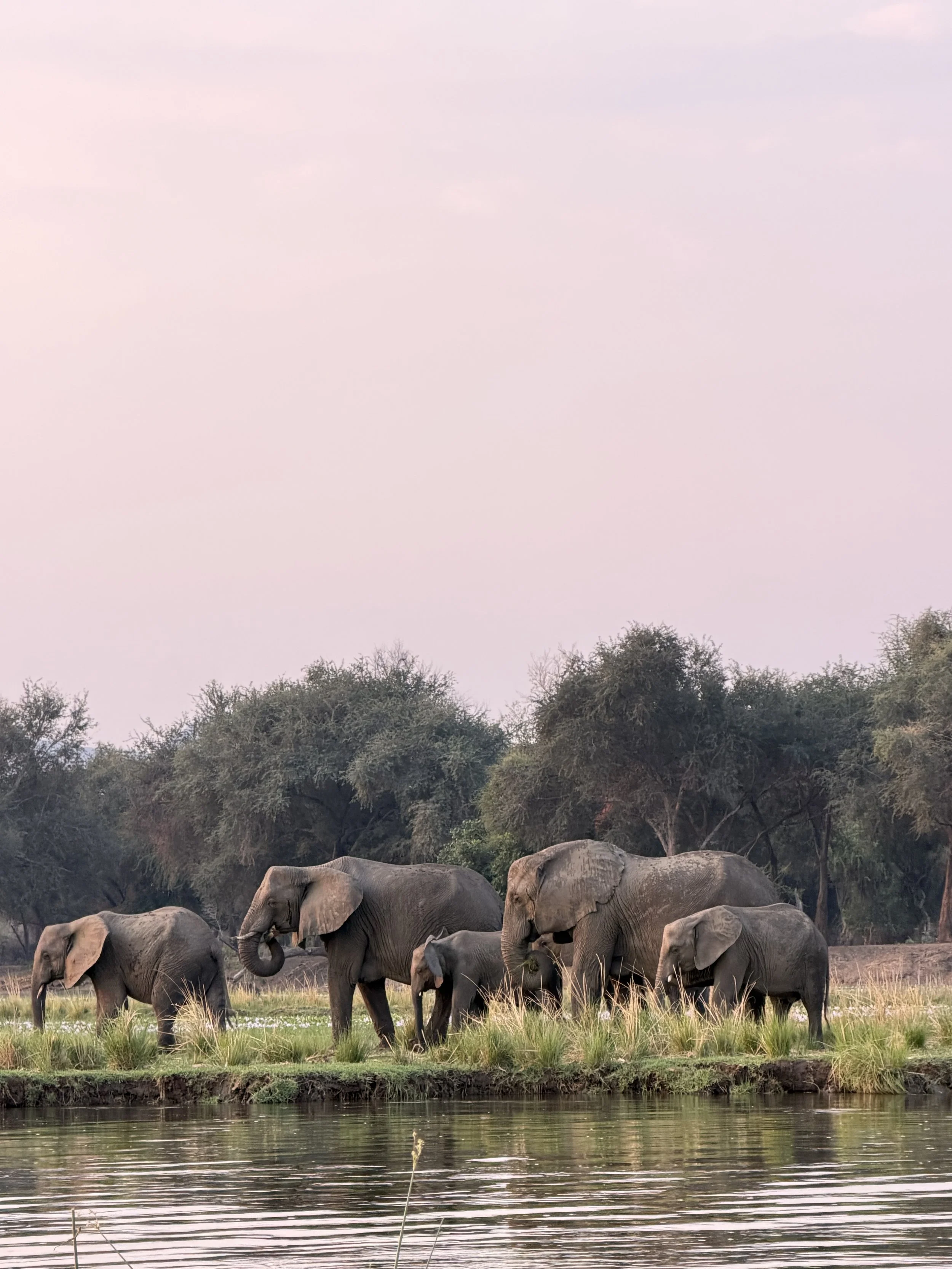
In the Okavango Delta, seasonal floodwaters transform the middle of the Kalahari into a network of winding channels, palm-lined islands, and wetlands filled with wildlife. Elephants move between islands, buffalo cross open floodplains, and predators follow.
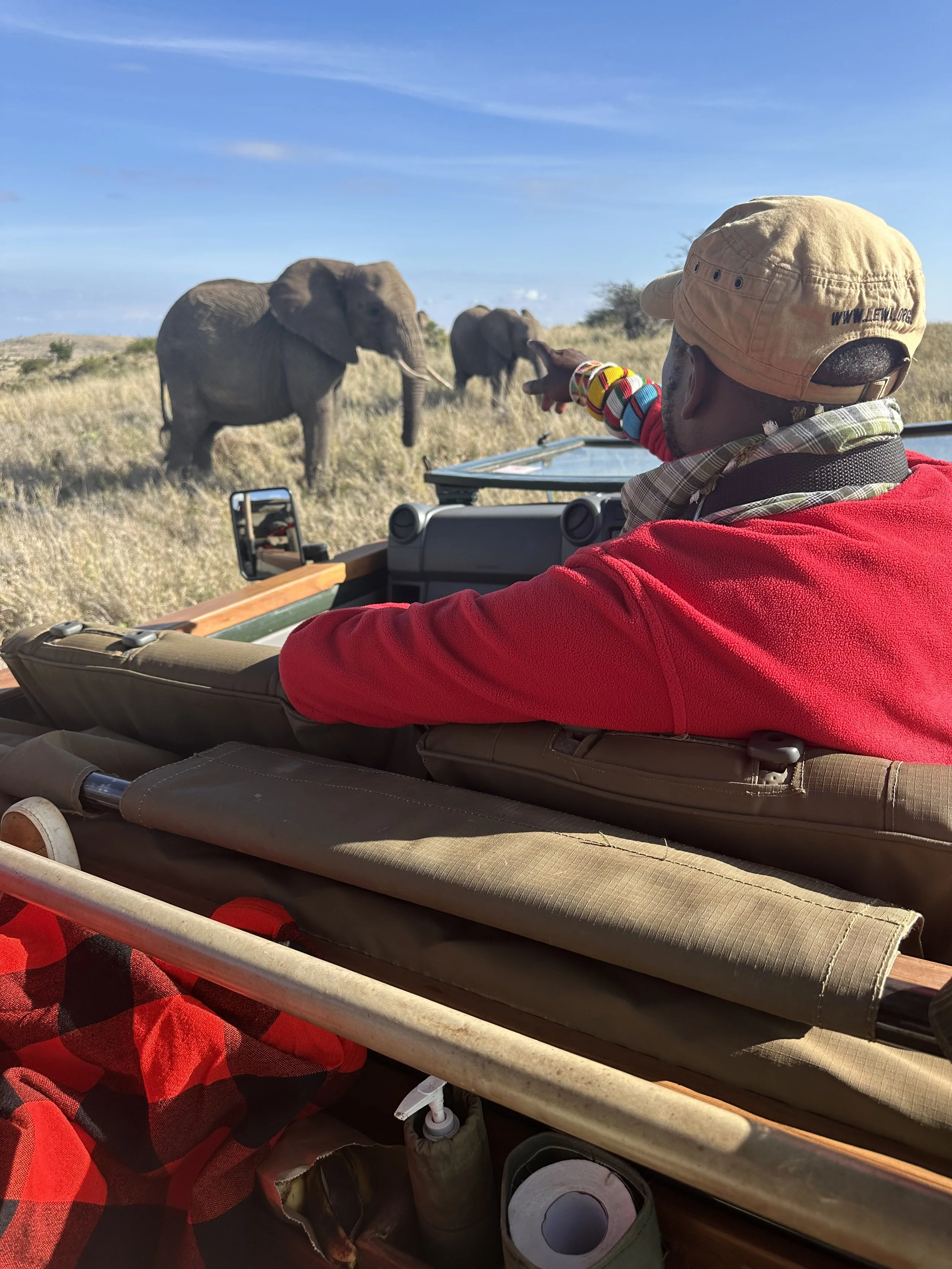
Depending on the camp, travelers might explore by vehicle, boat, mokoro canoe, or on foot, often encountering wildlife at a close distance.
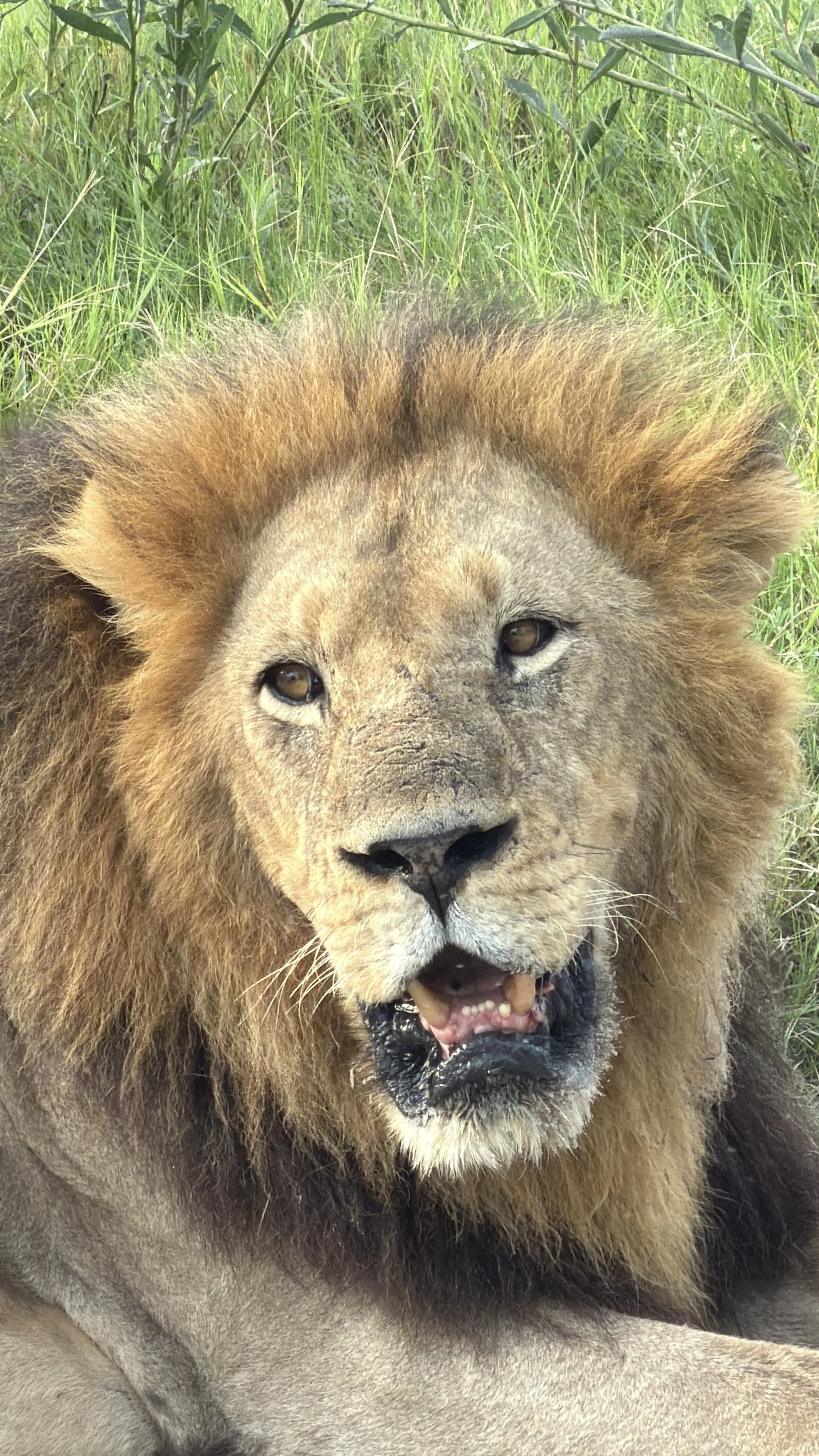
Further north, the Linyanti region offers a more remote setting, with river systems, woodlands, and open plains that support large elephant populations and strong predator sightings, including lions, leopards, wild dogs, and hyenas.
The Makgadikgadi Pans provide a completely different experience. Wide, open salt flats stretch for miles, with a stillness that feels almost surreal. In certain seasons, travelers might witness zebra migrations or walk alongside habituated meerkats.
Each region offers a different perspective, and together they show how varied a single country can be.
Luxury African Safari Experiences Beyond the Game Drive
Game drives are only one part of what Richelle builds into her itineraries.
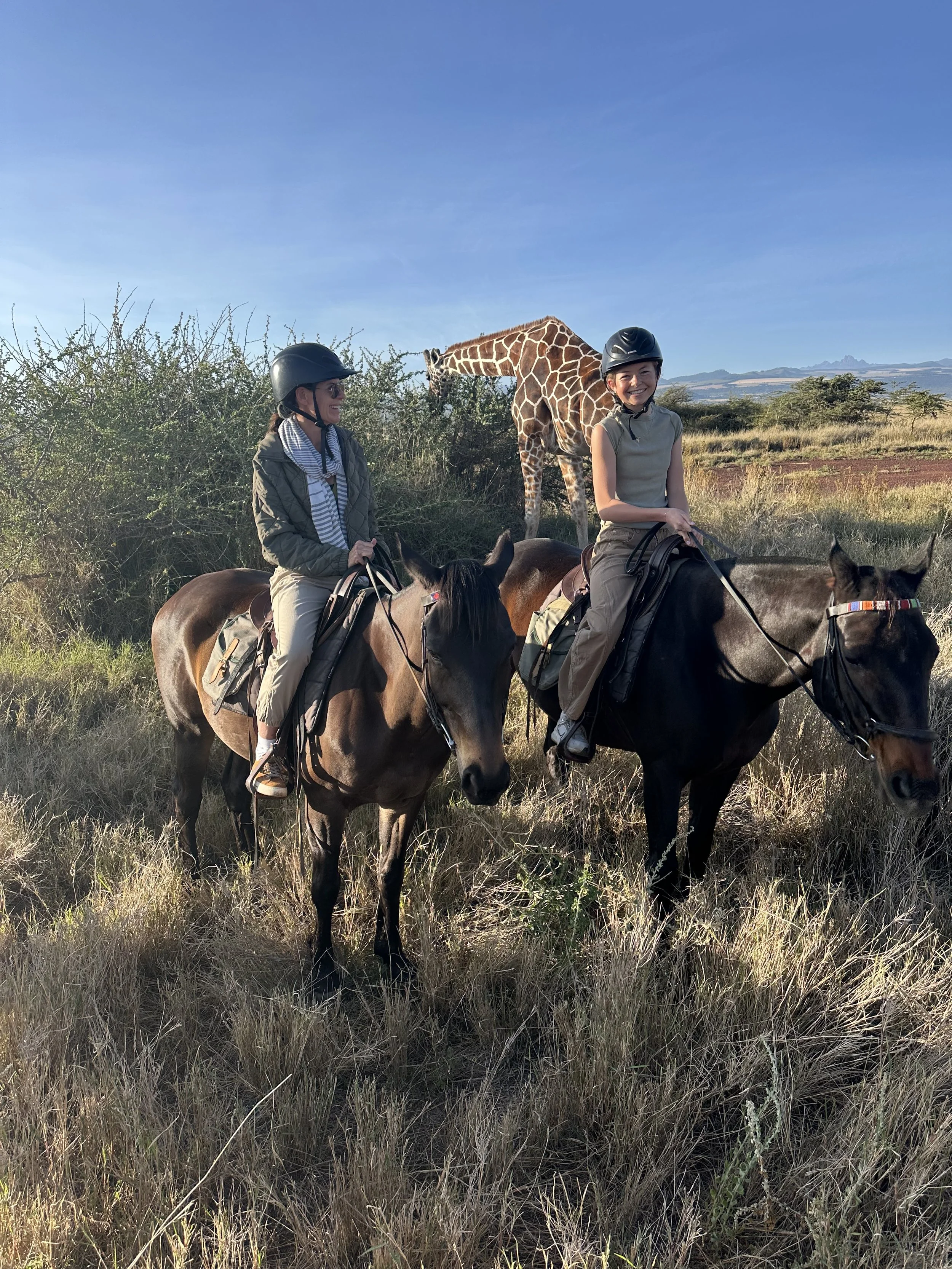
Depending on the destination, the experience can shift significantly. In Botswana, travelers might glide through the Delta in a mokoro canoe, walk through the bush with a guide, or explore waterways by boat. In Kenya, options can include horseback riding, camel safaris, and guided bush walks.
Some experiences go further.
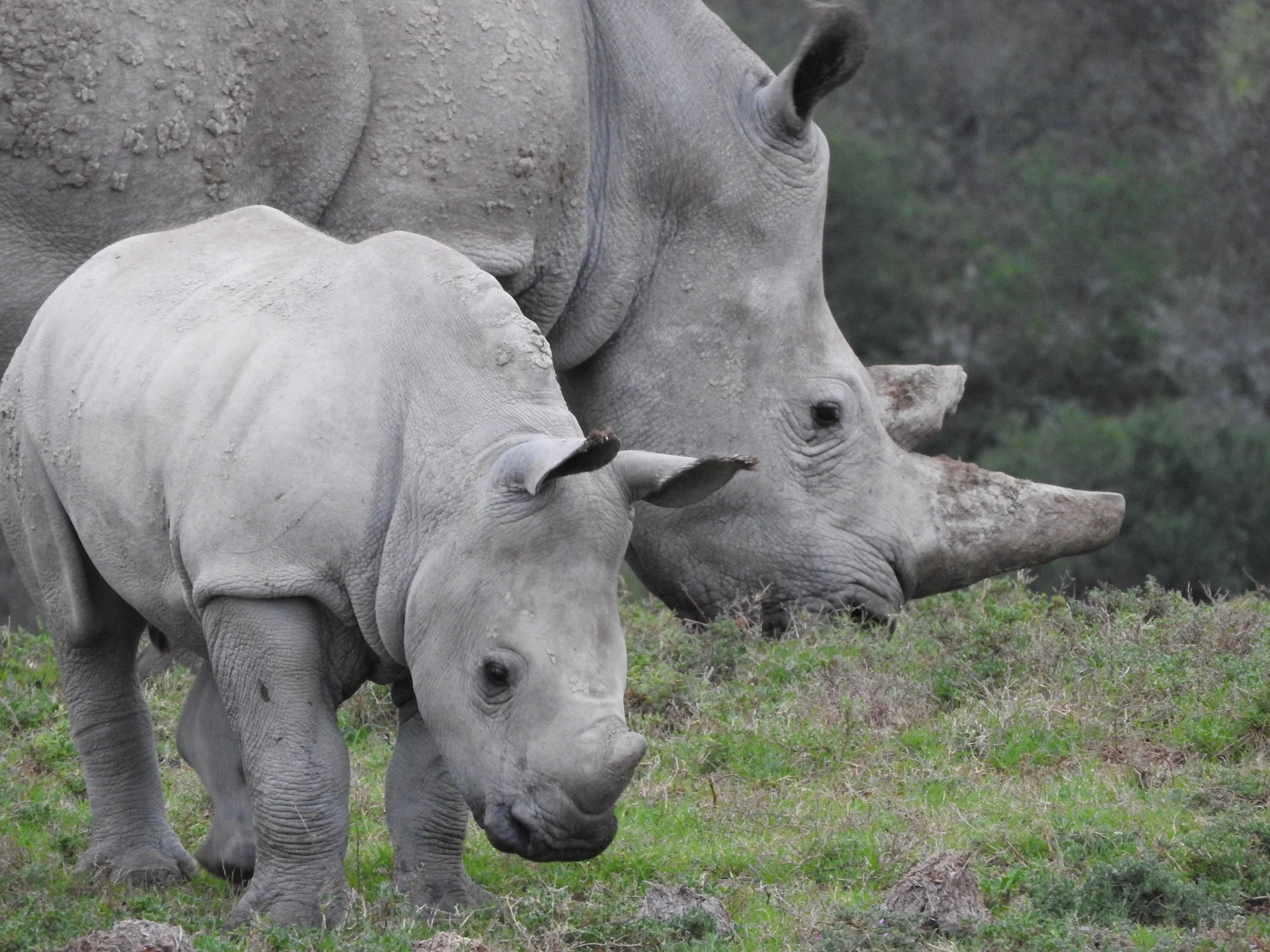
At select private reserves, travelers can spend time alongside conservation teams, participating in real fieldwork such as tracking rhinos, monitoring predator movement, or learning how wildlife data is collected.
These opportunities give travelers a different perspective on safari, one that extends beyond observation and into understanding how these ecosystems are protected.
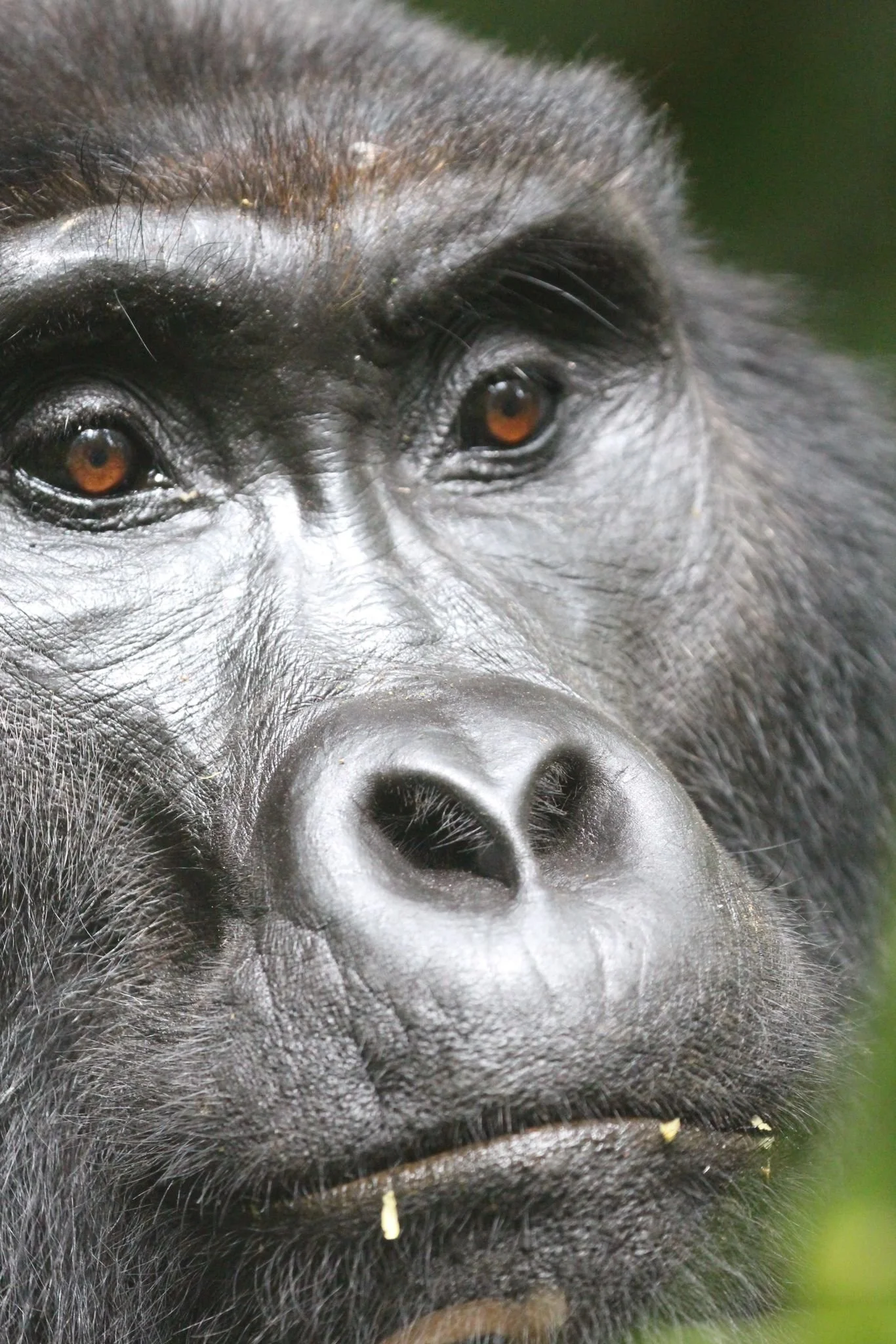
One of Richelle’s most memorable experiences took place in Rwanda and Uganda, where she trekked through Volcanoes National Park and Bwindi Impenetrable Forest to see mountain gorillas.
These are two of the only places in the world where you can observe them in their natural habitat, guided by expert trackers.
“Being in the presence of these animals was profoundly moving,” she says. “Observing their interactions and being that close to them is something I’ll never forget.”
What a Signature Soul of Africa Itinerary Can Look Like
For travelers who want a starting point, Richelle has a few itineraries that consistently resonate.
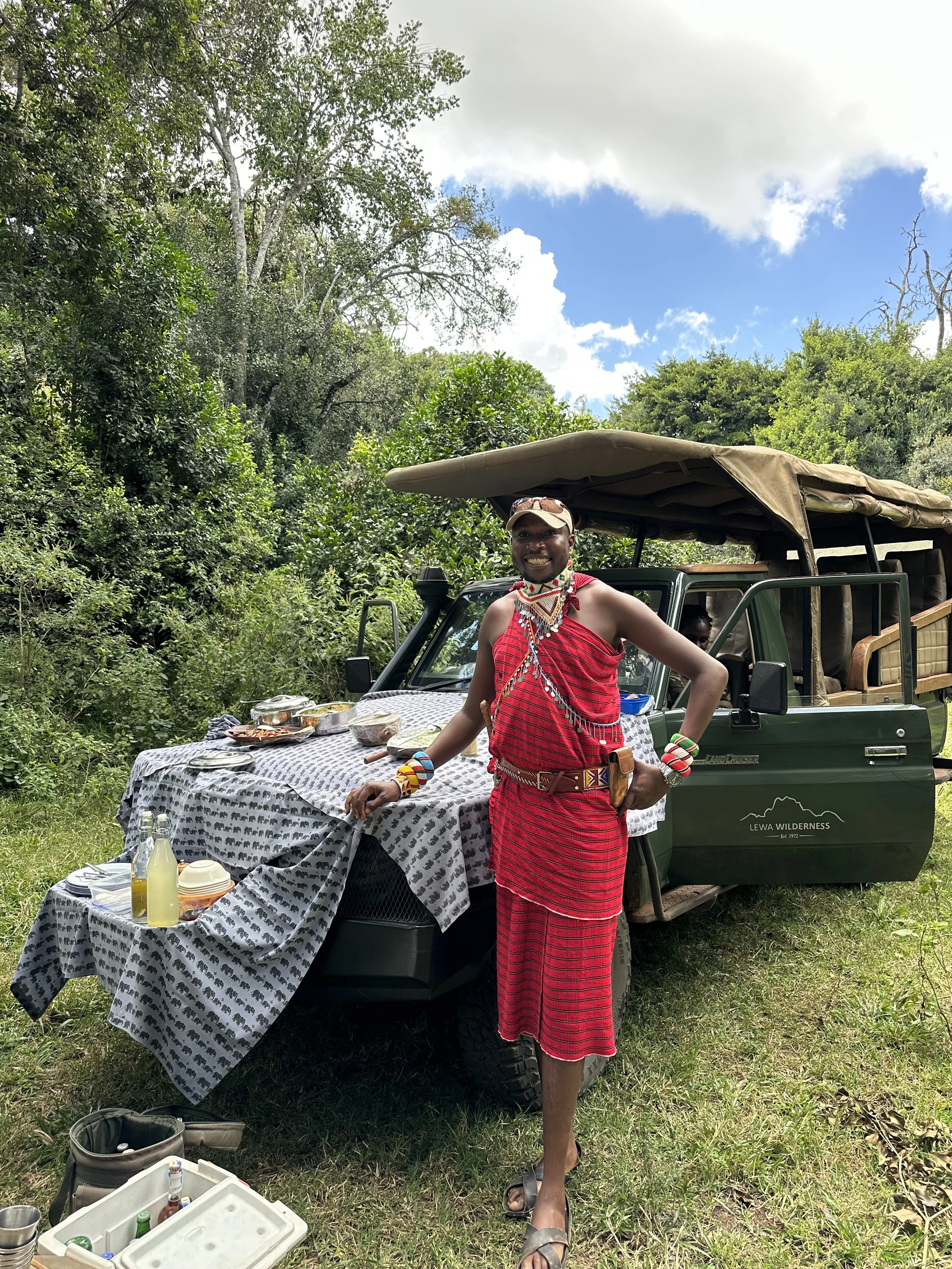
One is “The Kenya Signature,” a 10-day journey that blends wildlife, culture, and conservation. It begins in Nairobi, then moves to Lewa Conservancy for rhino tracking, horseback riding, camel safaris, and bush walks. From there, it continues to Namunyak Conservancy in Samburu country, with cultural visits including the Singing Wells and Reteti Elephant Sanctuary. The trip ends in the Masai Mara, with game drives and a sunrise hot air balloon safari.
Another is “The Southern Africa Signature,” which combines Victoria Falls, Botswana, and Cape Town. Travelers might begin with helicopter flights over the falls or a sunset cruise along the Zambezi River, then move into the Okavango Delta for game drives, canoe safaris, and bush walks. The trip often ends in Cape Town, with time spent exploring Table Mountain, the Cape Peninsula, and the surrounding winelands, followed by Big Five safari in the Sabi Sand region.
Both are designed to move across different environments while maintaining a clear rhythm.
How Sustainable Safari Travel Supports Conservation in Africa
Responsible travel plays a central role in how Richelle selects her partners.
Tourism in Africa can create long-term benefits for local communities, from job creation to education and small business support. Because of that, she prioritizes lodges that actively contribute to conservation and community initiatives.
Many camps operate on solar power and use systems like biogas and composting to manage waste. Water conservation is also built into daily operations, with rainwater harvesting, filtration, and wastewater treatment.
Food is often sourced locally and seasonally, supporting nearby farms while reducing transport impact. Many properties have eliminated single-use plastics and provide reusable water bottles for guests.
These practices are built into the experience without taking away from it.
Common Misconceptions About Planning a Safari in Africa
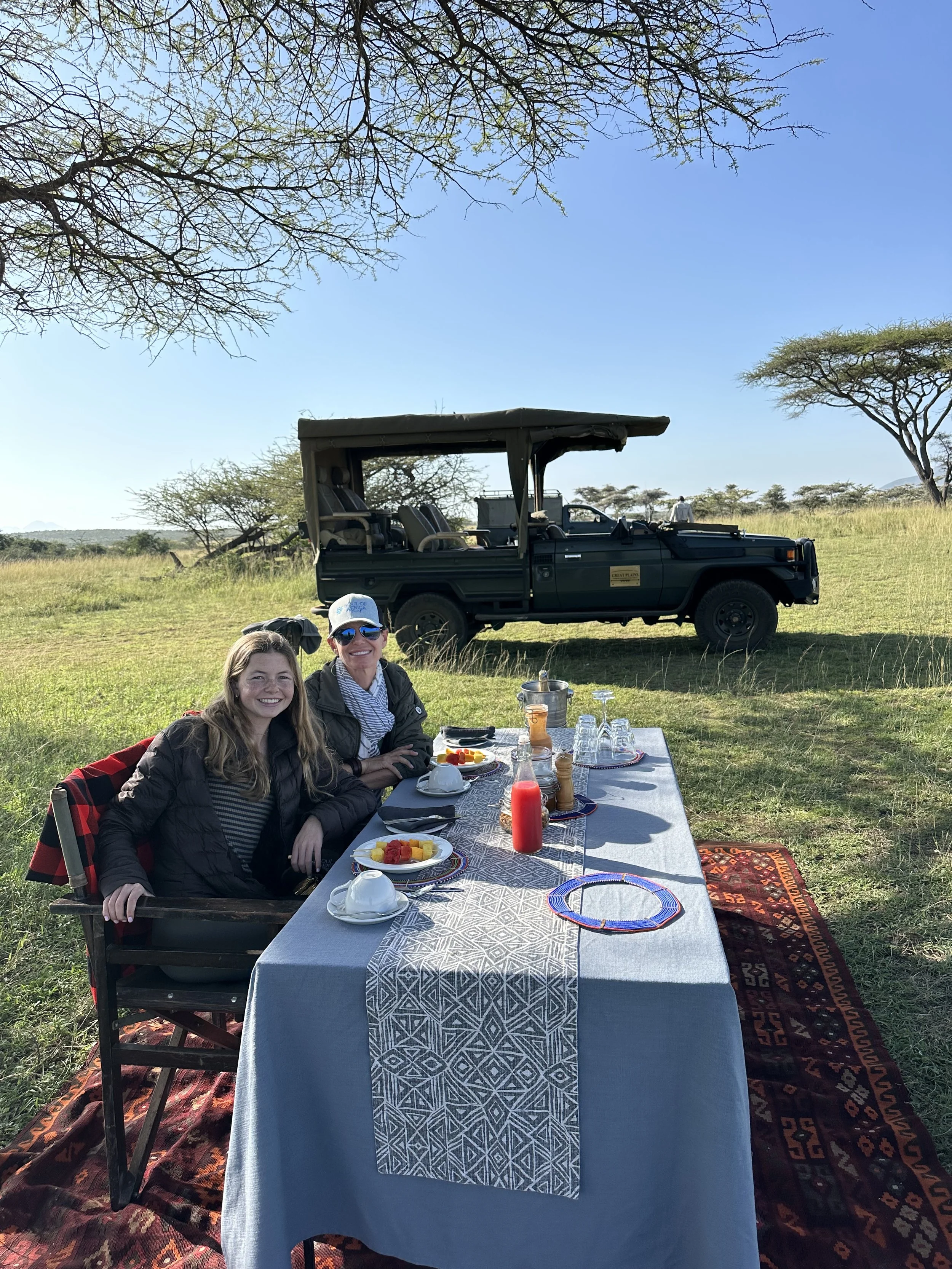
Richelle often works with travelers who feel unsure about visiting Africa for the first time.
Safety is one of the most common concerns.
“With thoughtful planning, Africa is a smooth and rewarding destination,” she says.
Working with experienced advisors ensures trusted guides, seamless logistics, and support throughout the trip.
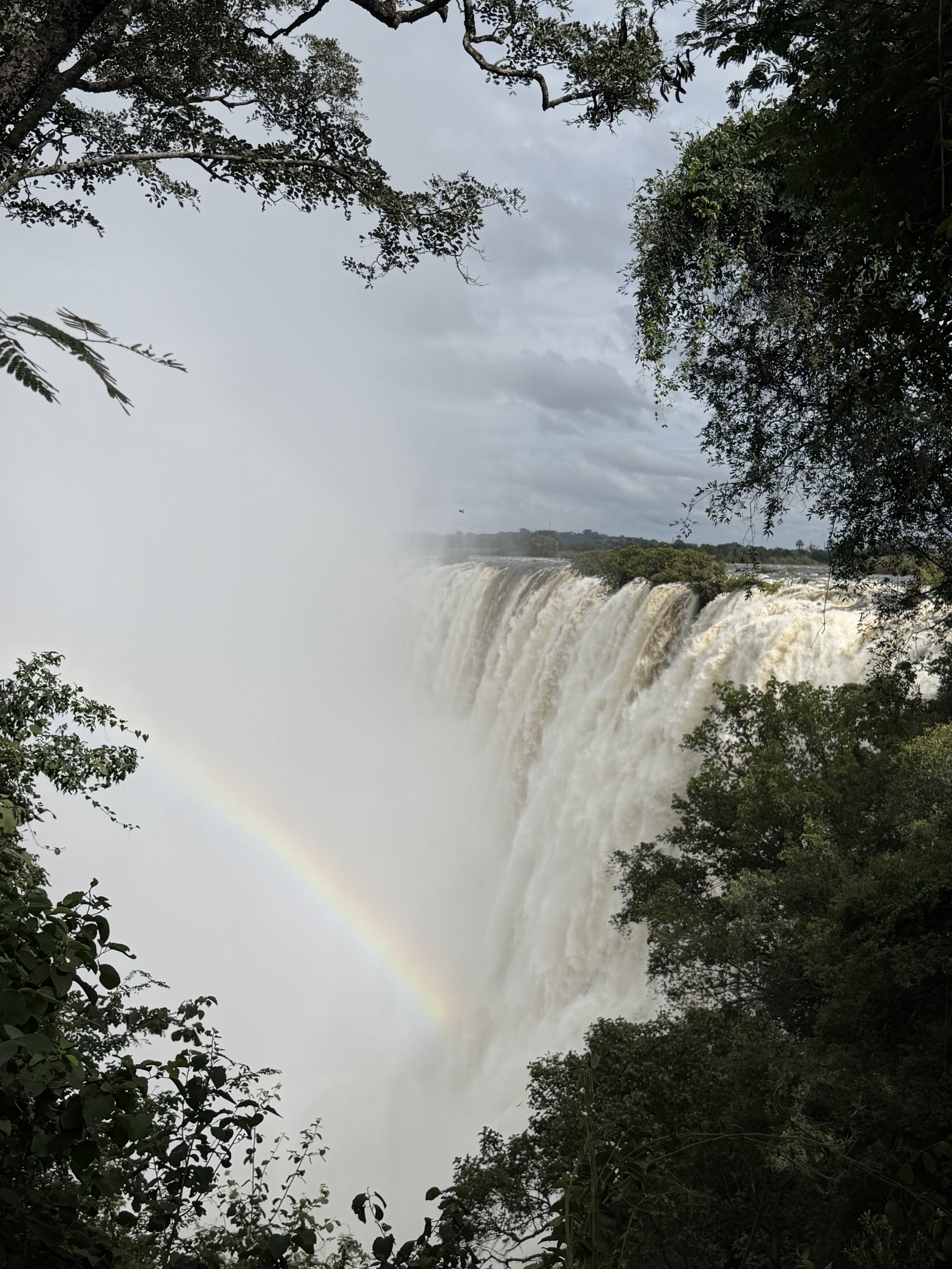
Another misconception is that there is only one ideal time to visit. In reality, each season offers something different. Dry seasons can make wildlife easier to spot, while wet seasons bring fewer crowds, greener landscapes, and dramatic skies.
There is also the assumption that Africa is only about safari. While safari is a major draw, the continent also offers beaches, vineyards, cities, mountains, rainforests, and deserts.
Families are often surprised to learn how accessible it can be for children, with many lodges offering family-friendly setups and private vehicle options.
How to Plan a Luxury African Safari from the U.S.
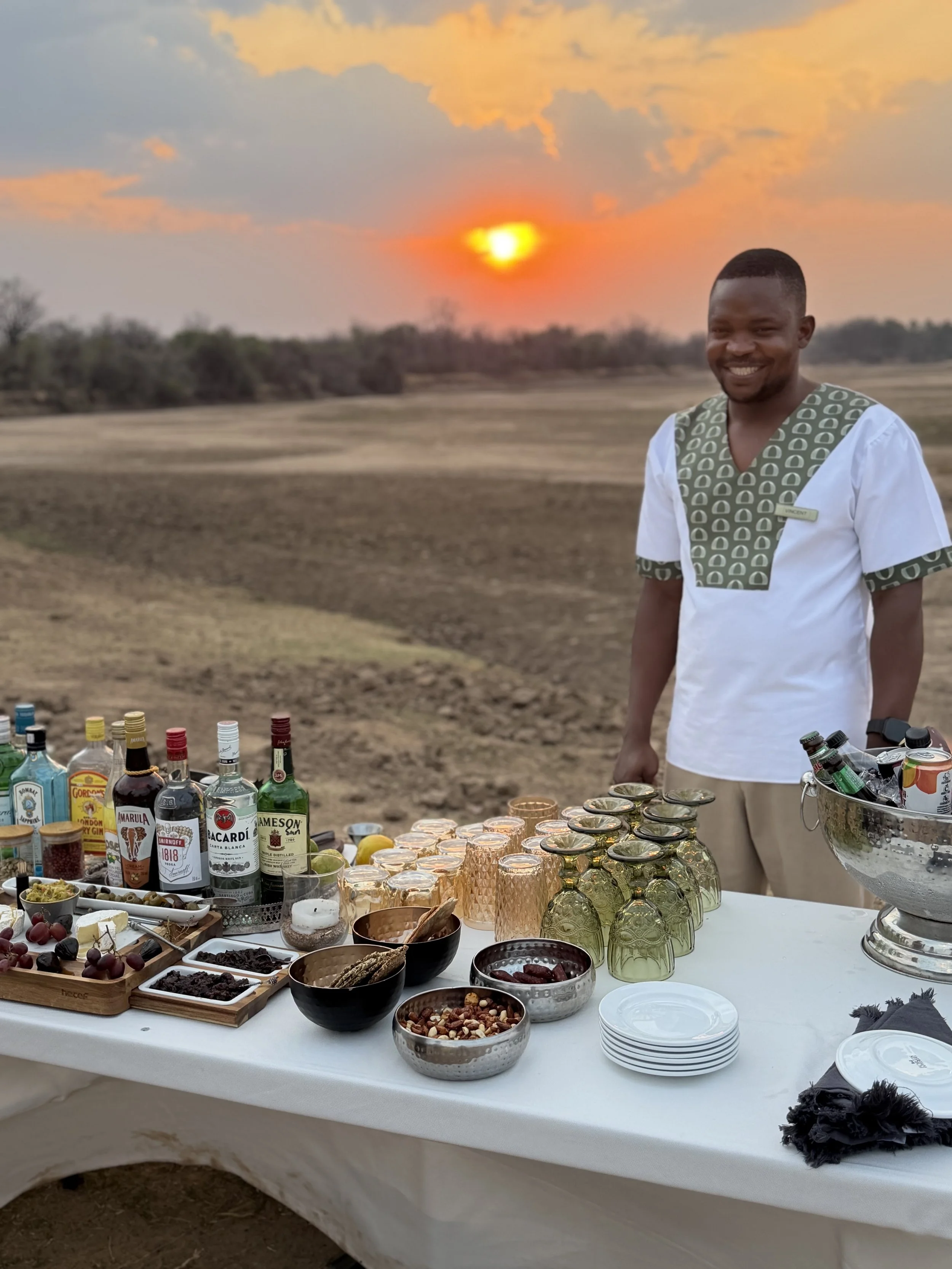
Pricing varies depending on destination and style of travel, but in places like Botswana, safari experiences typically begin around $1,500 per person, per night.
That generally includes accommodations, regional flights between camps, transfers, guided activities, most meals, and full planning support.
Traveling during shoulder or low season can sometimes reduce costs by 10 to 20 percent while still offering strong wildlife experiences.
Because many camps are small and fill quickly, Richelle recommends planning 9 to 12 months in advance, especially for peak travel periods.
Why Africa Leaves a Lasting Impression
Richelle sees it every time a client returns home.
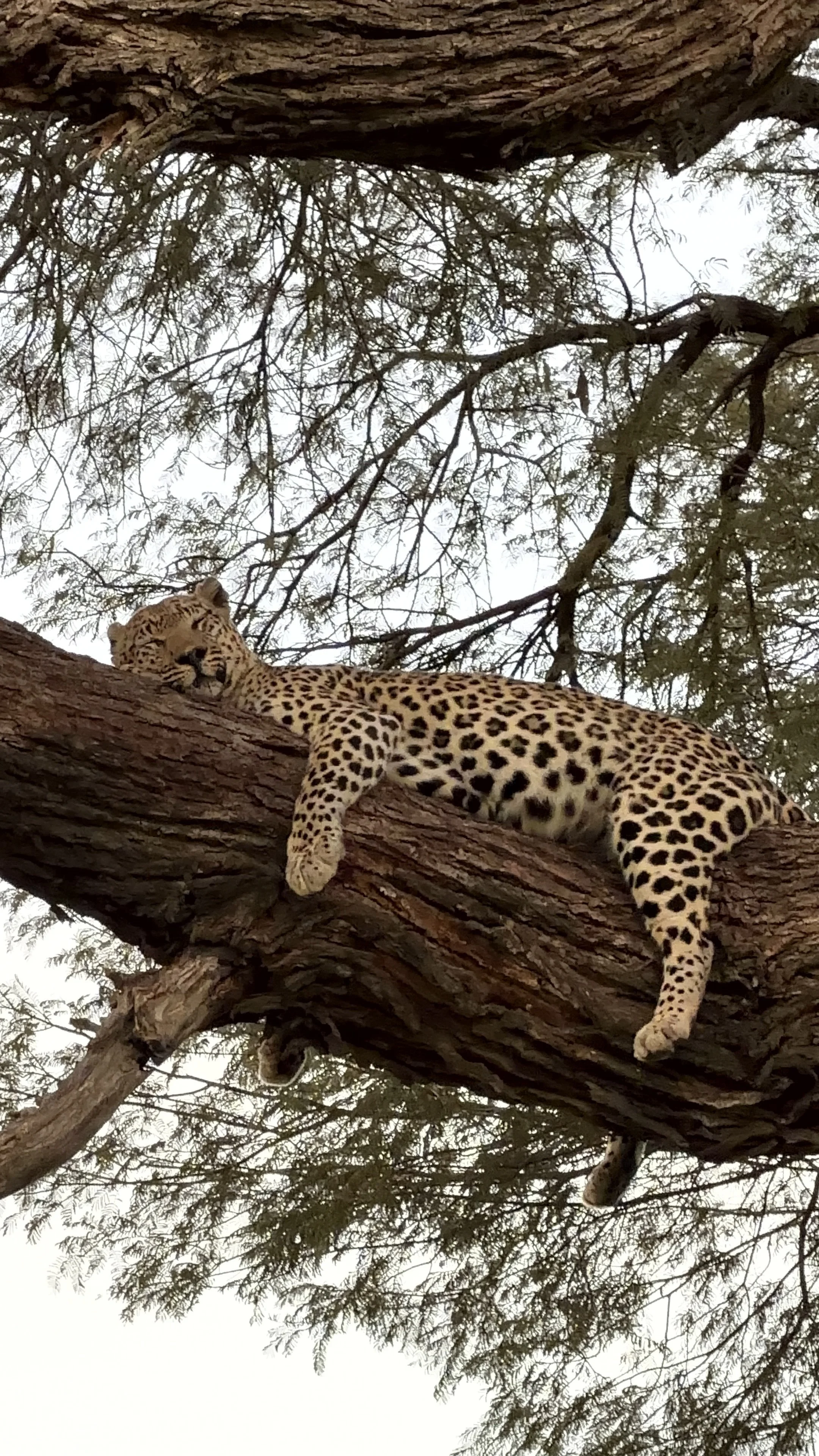
People talk about the pace, the quiet, and the way their attention shifts when they are in the bush.
“You slow down,” she says. “You notice more.”
That’s what keeps people coming back.
If you’re thinking about planning a safari, visit Soul of Africa Travel to explore their experiences, or fill out their form to begin designing something tailored to you.